Contact us
Contact us
Contact us
Interior design and architecture are intrinsically linked. One is an extension of the other, and for any space to truly succeed, the two should work hand in hand.
When it comes to luxury design, the relationship between the two takes on a whole new level of importance. Luxury spaces demand the highest level of craftsmanship and attention to detail, and the collaboration between architects and interior designers must be seamless to achieve the desired result.
So how do we approach the design of a luxury interior space while still respecting the external architecture?
Find your architectural anchor
Before you start designing the interior, it’s important to understand the architectural style of the building. When was it built? What original features remain and what are the architectural ‘assets’ of the space? Your challenge is working out what can be retained without compromising your own design vision or client’s requirements.
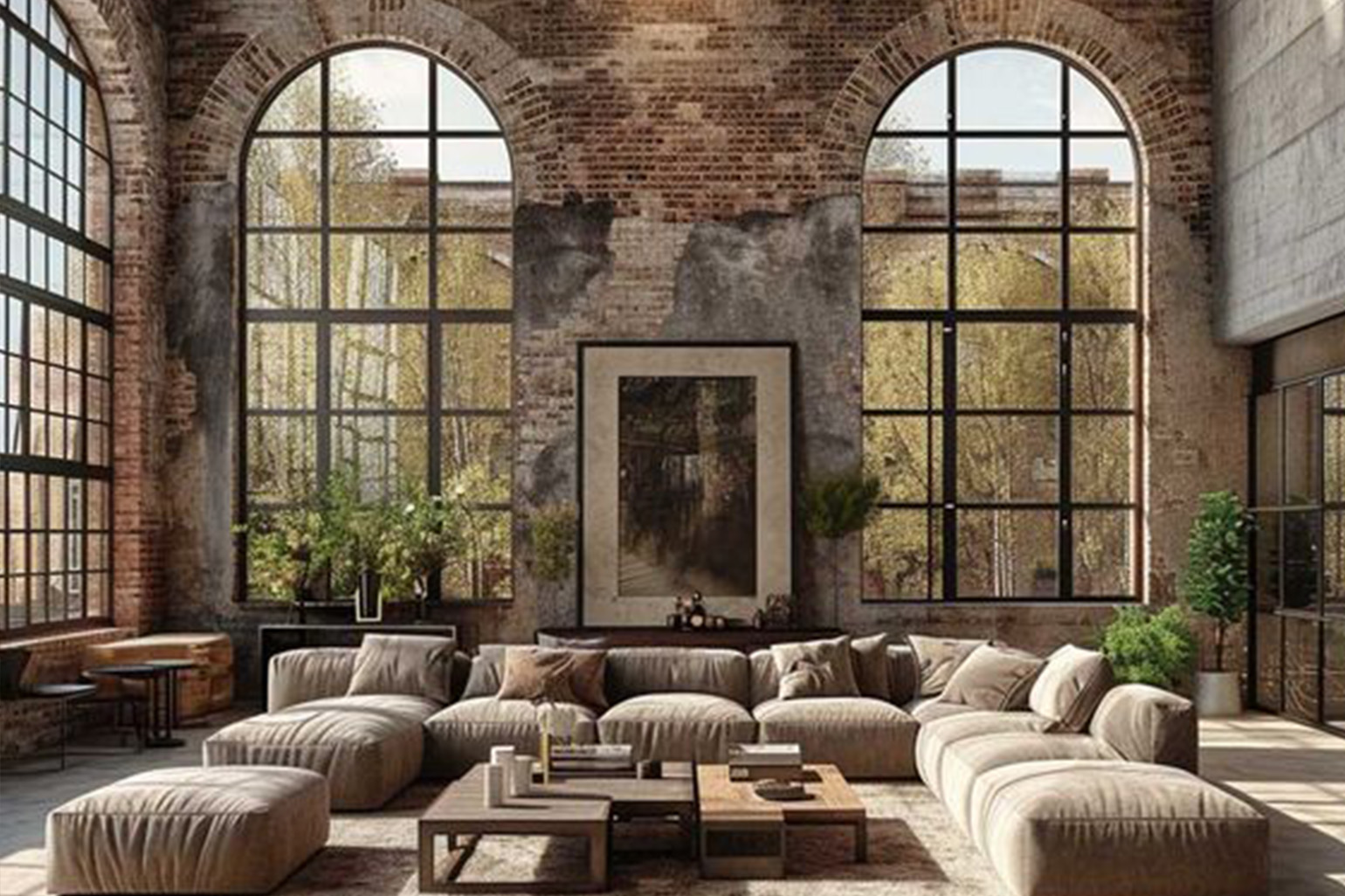
We tend to find a key feature and allow this to guide the overall design. Whether it’s intricate existing plaster work, Crittall-style windows or original parquet flooring, there is usually an existing element within the base build that can act as a design anchor or catalyst.
Pay attention to proportions
When designing the interior space, it’s essential to respect the proportions of the building, as they will guide the size and scale of the interior elements such as furniture, fixtures and accessories. In a building with high ceilings, the furniture should be tall and grand to match the scale of the space, as seen in Rive Gauche’s projects in the Middle East. There, the sheer volume of space can overwhelm the fittings and furnishings that sit within, so each piece must be carefully selected to be fully visible and not become lost in the space.
Embrace what’s around you
There’s no better way of respecting the external architecture of a building than by incorporating the existing materials into the interior design. This also helps to create a cohesive design scheme. Designing in this way also opens up the scope to use local materials within the design.
Most historic buildings would have been built using materials and craftsmen close to home. By using local suppliers and artisans instead of flying things in globally helps to root the design to its physical location and is far more sustainable. In our overseas projects, we always look at how we can bring a connection to the local culture. We pay particular attention to this during the final dressing of the property and often source local artists to provide statement pieces of art.
Seek continuity through colour
When designing the interior space, it’s important to use a defined colour palette that complements the existing architecture. If the exterior is painted in warm tones, the interior can be painted in a similar shade to create a sense of continuity. Using too many contrasting colours can create a disjointed design scheme that clashes with the exterior. There should be a consistent design language throughout as you move through one space into another.
For luxury interiors, the palette will require a certain richness and depth, but this can be tailored to suit the architecture. Subtle accents of richer colour tones work better for more minimalist spaces, while strong, bold interventions work better for more classic styles.
Use lighting to transform a space
Lighting plays a crucial role in enhancing the interior design and respecting the external architecture. The lighting should be chosen to complement the existing architecture and highlight its unique features. If the building has a high ceiling, pendant lights can be used to draw attention to the height of the space. For luxury settings, Rive Gauche often utilise a good ceiling height to incorporate a striking chandelier centrepiece that brings both light and decoration to any space.
Find beauty in the detail
The smallest details in interior design can often make the biggest difference. By matching door handles, moulding, and skirtings with the existing architecture, you can create a cohesive and harmonious design scheme that feels like it belongs in the building. Combined with the right finish, these ancillary design features can bridge the gap between inside and out and add an element of luxury.
The best interior design should always complement – rather than compete with – the architectural envelope it sits within, so the symbiosis between architecture and interior design is vital to the creation of luxury spaces that are both beautiful and functional. And the best results come through collaboration, communication and attention to detail. By working together, architects and interior designers can create spaces that are not only luxurious, but also practical, innovative, and sustainable.


Discover a selection of projects that have fostered Nicolas’ reputation and expertise in design and delivery.