Contact us
Contact us
Contact us
In a fractured and uncertain world, ultra-wealthy families are reassessing how to protect, structure and deploy their wealth. Standard Chartered Global Private Bank’s report The Great Repositioning highlights the tensions and transitions shaping modern family offices – from rapid wealth expansion to shifting generational priorities.
For many UHNW families, fortunes have grown faster than the governance frameworks supporting them. London advisers report clients whose multi-billion-pound holdings have multiplied several times over since the pandemic. With assets spread globally across property, private equity, operating companies and collectibles, the need for a stable, centralised “helicopter view” is greater than ever.
Real Estate as a Stabilising Force
In turbulent markets, real estate remains a preferred anchor. Nearly half of family offices in Knight Frank’s Wealth Report intend to increase property investment over the next 18 months — particularly in markets with depth, liquidity and strong legal systems.
Property offers what few asset classes currently can:
Super-prime investors in London now talk about inheritance structures before they finalise the purchase.
Yet global property regulation is shifting unpredictably — tax regimes, foreign ownership rules, planning frameworks — creating new layers of complexity. Deloitte forecasts the number of family offices globally to rise to 10,700 by 2030, partly because families need more specialised, technical support than ever before.
Where Family Offices Need Support
As acquisition itself becomes more competitive and more complex, family offices are seeking advisers who can go beyond sourcing and negotiate the entire lifecycle of value creation.
This includes:
This is the space where Rive Gauche London increasingly supports UHNW families. Not by selling but by simplifying – reducing risk, eliminating inefficiencies, and helping clients make clearer, faster decisions on assets that often span multiple jurisdictions.
Intelligent Repositioning: The Missed Opportunity
One of the greatest inefficiencies in the super-prime market is the number of properties with extraordinary fundamentals but poor execution. Homes in exceptional locations often underperform because of layout constraints, outdated design, unoptimised planning potential or lack of narrative coherence.
Rive Gauche London specialises in identifying latent value and unlocking it through thoughtful renovation and repositioning. This doesn’t mean over-developing — one of the biggest mistakes in today’s market — but calibrating a property to what buyers will pay a premium for.
This might involve:
In a market above £10m, where liquidity is thin and buyer expectations are higher than ever, these strategic decisions can determine whether a property sells at a premium — or sits on the market indefinitely.
Generational Shifts Driving New Preferences
Standard Chartered’s findings highlight generational differences within family offices. Rive Gauche sees this daily: boomer billionaires may prioritise scale and classical taste, while younger principals — often in their twenties and early thirties — want wellness-orientated, design-led, sustainable homes that reflect a curated lifestyle.
These younger decision-makers represent the largest wealth transfer in history — US$18 trillion over the next five years — and many are already responsible for major asset decisions. Advising them requires nuance. Sometimes the challenge isn’t market complexity but balancing the preferences of multiple generations within the same family.
London Demand Remains Strong — But Discretion Is Critical
Large Middle Eastern families remain active in central London, focusing on well-located assets where value can be created. But once a property appears across social media or the super-prime agency circuit, pricing power weakens. The families achieving the best outcomes are those working quietly, with advisers who can secure opportunities off-market and move with precision.
Here again, Rive Gauche’s role is grounded in discretion and technical competence rather than salesmanship: helping families evaluate, acquire and transform assets to meet both lifestyle and legacy goals.
A More Sophisticated Future for Family Offices
As family offices expand in scale and complexity, their approach to property is becoming more strategic. Real estate is no longer treated as a static store of wealth but as an adaptable tool — a way to protect capital, respond to market cycles, and meet the divergent needs of multi-generational families.
The firms adding the most value today are not those pushing product but those providing clarity: understanding local nuance, navigating complex planning environments, and transforming assets intelligently to future-proof family wealth.
In uncertain times, thoughtful repositioning — not just acquisition — will determine whose property portfolios continue to grow, and whose fall behind.


Founder and CEO
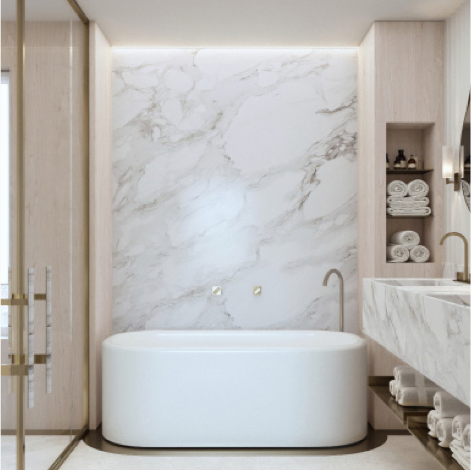
Discover a selection of projects that have fostered Nicolas’ reputation and expertise in design and delivery.